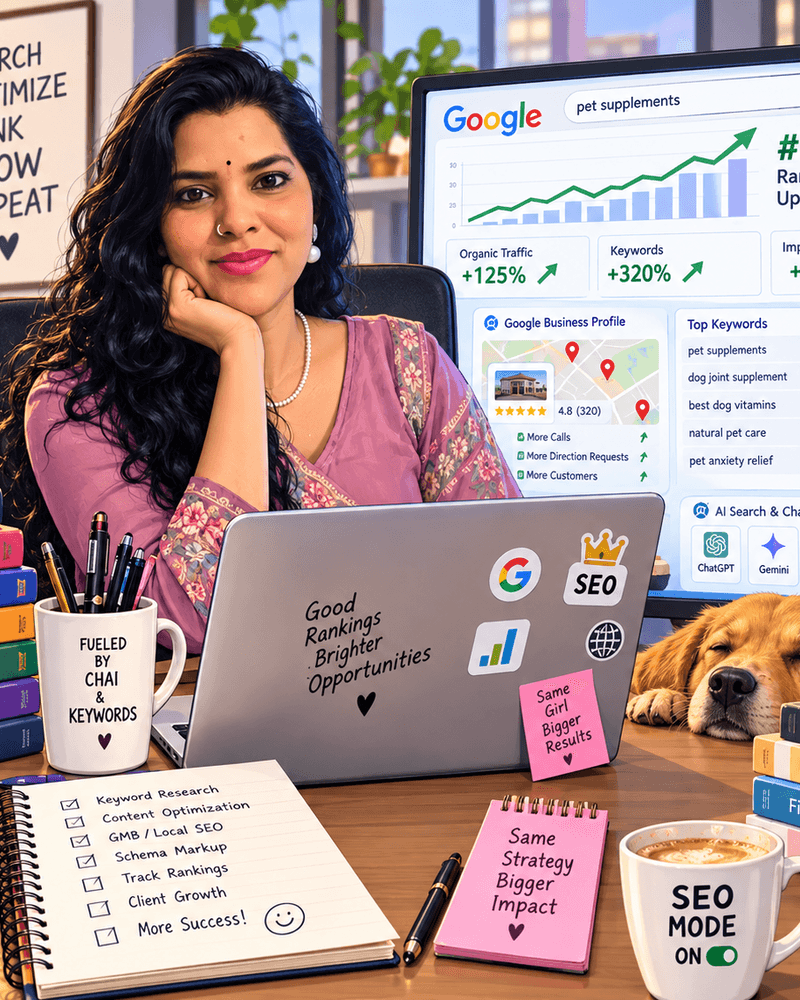
Search engine optimization is changing as people discover information through traditional search engines and artificial intelligence platforms. In the past, businesses mainly focused on improving keyword rankings and increasing website traffic. Today, they also want their content to appear in answers generated by artificial intelligence tools.
This change creates new opportunities for businesses, bloggers, and digital marketers. A strong search engine optimization strategy now focuses on useful content, website quality, customer needs, and online brand visibility.
What Is Generative Engine Optimization
Generative Engine Optimization is the process of improving website content so that artificial intelligence platforms can understand, reference, and recommend a brand when answering relevant questions.
For example, when someone asks an artificial intelligence tool to recommend the best digital marketing agency, the tool may provide a list of companies based on available information.
Businesses can improve their chances of being discovered by publishing helpful information, building brand credibility, earning genuine customer reviews, and maintaining accurate information across the internet.
Generative Engine Optimization does not replace traditional search engine optimization. Both approaches can work together to improve online visibility.
Why Artificial Intelligence Search Is Becoming Important
People are changing the way they search for information. Instead of entering short keywords, many users now ask detailed questions and expect direct answers.
For example, a person might search for the best affordable digital marketing agency for a small business instead of searching only for a digital marketing agency.
This change makes it important for businesses to understand customer questions and create content that answers them clearly.
Artificial intelligence platforms can help users compare products, understand services, discover brands, and make purchasing decisions. Businesses that provide reliable and useful information can improve their chances of being discovered.
Create Helpful and Original Content
Content quality remains an important part of a successful search engine optimization strategy. Businesses should focus on creating content that solves real problems instead of publishing articles only to target keywords.
A useful article should explain the topic in simple language, answer common questions, provide practical examples, and offer information that readers can trust.
For example, a website offering digital marketing services can publish an article explaining how a small business can improve its local search visibility. The article can include practical steps, common mistakes, and examples of how local search optimization supports business growth.
Original experience and meaningful insights can make content more valuable than generic information that appears on many websites.
Understand Customer Search Intent
Search intent means understanding what a person wants to achieve when searching online.
Some users want information, while others want to compare services or purchase a product. A successful search engine optimization strategy should create content that matches these different needs.
For example, a person searching for how to improve website speed needs a helpful guide. Someone searching for a website speed optimization service may be ready to contact a service provider.
Businesses should create suitable pages for informational searches, service comparisons, and purchase related searches.
Understanding search intent helps attract relevant visitors and provides a better experience for potential customers.
Improve Technical Search Engine Optimization
High quality content alone is not enough if search engines cannot properly access or understand a website.
Technical search engine optimization helps search engines discover, crawl, and index important pages.
Website owners should regularly review their website structure, page loading speed, mobile usability, internal links, redirects, canonical tags, and XML sitemap.
They should also check the robots text file to ensure that important pages are not accidentally blocked from crawling.
Structured data can help search engines understand information about products, organizations, articles, and other supported content types.
A technically healthy website creates a strong foundation for long term search visibility.
Build Brand Trust Across the Internet
Online visibility is not limited to a company website. Customers may discover a business through customer reviews, industry publications, social media platforms, professional communities, and other websites.
Businesses should maintain accurate company information and encourage genuine customer feedback. They should also publish useful resources that demonstrate their knowledge and experience.
For example, a local service provider can improve its online presence by maintaining an accurate business profile, collecting authentic reviews, publishing helpful articles, and participating in relevant industry discussions.
These activities can help customers understand the business and make informed decisions.
Use Artificial Intelligence Tools Responsibly
Artificial intelligence tools can help digital marketers research topics, organize keywords, develop content outlines, identify technical issues, and generate ideas.
However, automatically publishing large amounts of unreviewed content can create quality problems.
Every article should be checked for accuracy, originality, relevance, and usefulness before publication. Writers should add real experience, practical examples, and meaningful insights instead of relying entirely on automatically generated text.
The purpose of artificial intelligence should be to improve productivity and content quality rather than produce more pages without a clear reason.
Measure More Than Keyword Rankings
Keyword rankings remain useful, but they do not explain the complete performance of a search engine optimization campaign.
Businesses should also monitor organic traffic, search impressions, click through rate, engagement, qualified leads, and sales.
They can use Google Search Console to understand search performance and Google Analytics to measure website activity.
For artificial intelligence search visibility, businesses can also review whether their brands appear in relevant answers and track referral visits from supported artificial intelligence platforms.
These measurements help marketers understand which activities contribute to meaningful business results.
The Future of Search Engine Optimization
The future of search engine optimization will involve a combination of traditional search optimization, useful content, technical website improvements, brand building, and visibility across artificial intelligence search platforms.
Businesses should avoid depending on a single traffic source or following every new trend without testing its value.
Instead, they should understand their audience, publish trustworthy information, maintain a healthy website, and measure results consistently.
A practical strategy that combines these activities can help businesses build a stronger online presence as search behavior continues to evolve.
Conclusion
Artificial intelligence is creating new ways for people to discover information, products, and services. This change is expanding the opportunities available to businesses that want to improve their online visibility.
Generative Engine Optimization and traditional search engine optimization should work together to support this goal.
By creating original content, understanding customer needs, improving technical performance, building brand trust, and tracking meaningful results, businesses can prepare for the changing search environment.
The most effective approach is to focus on helping people first while making information clear and accessible to search engines and artificial intelligence systems.